The Lure of Cursed Images The Lure of Cursed Images
Presentations:
If you have completed you LoRA and generated some images, upload your screenshot of your assignment with your name and a caption on this online document
If you have only created a dataset for training, airdrop your zipped folder with filename as follow: Name_Surname_Datasetname_style/subject (e.g. Marco_DeMutiis_ActionFigures_style.zip)
Cursed Images: the seduction of the uncanny from photography to generative AI
Joel-Peter Witkin, Still Life Marseilles, 1992
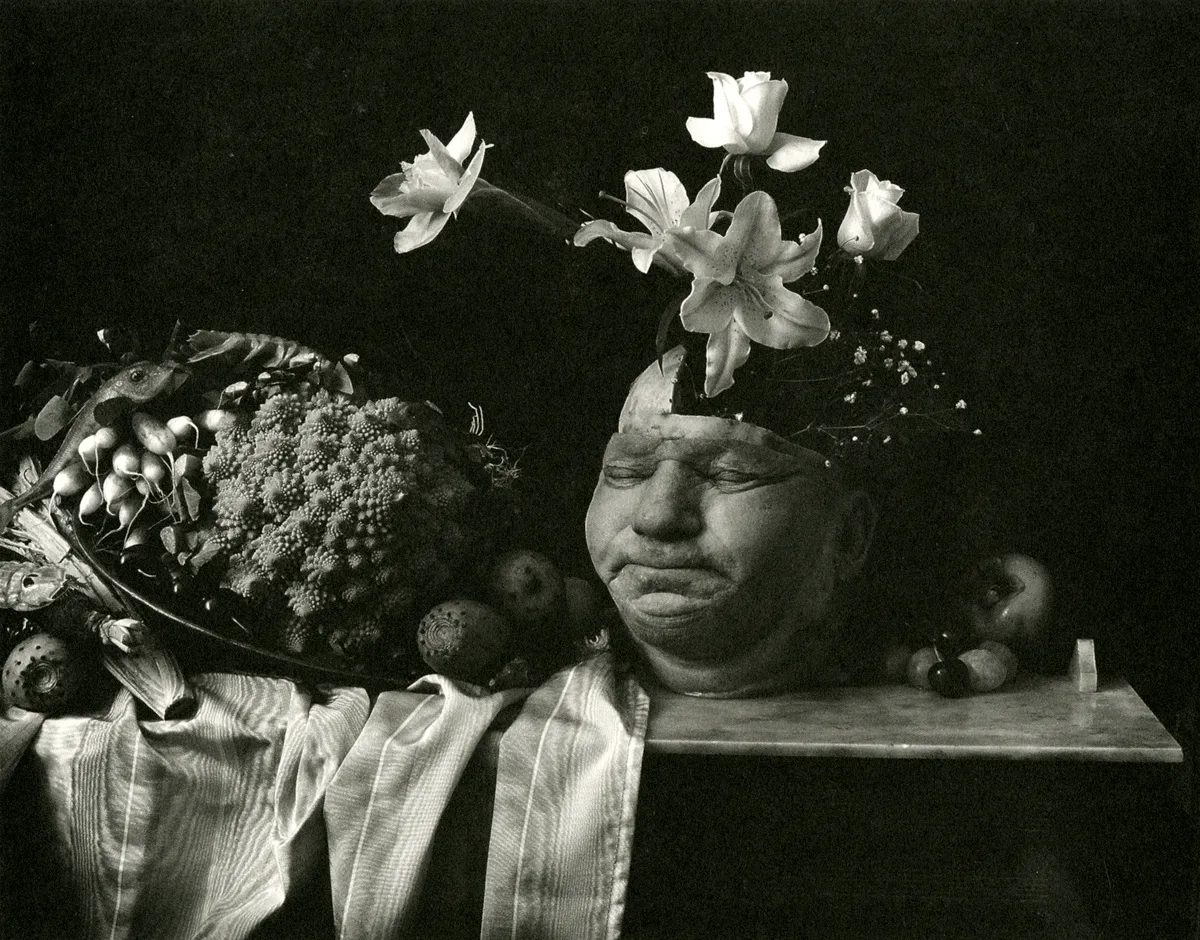
Joel-Peter Witkin’s photographic practice is known for its provocative exploration of themes such as death, the body, and the boundaries of beauty. He often stages elaborate tableaux using unconventional subjects, including medical specimens, mannequins, and performers with atypical bodies, drawing inspiration from art history, religion, and classical painting. His work challenges viewers to confront discomfort and question societal norms around aesthetics and morality, blending the grotesque with the sacred in a highly controlled, almost painterly visual style.
Laurie Simmons, Walking Objects, 1987–1990
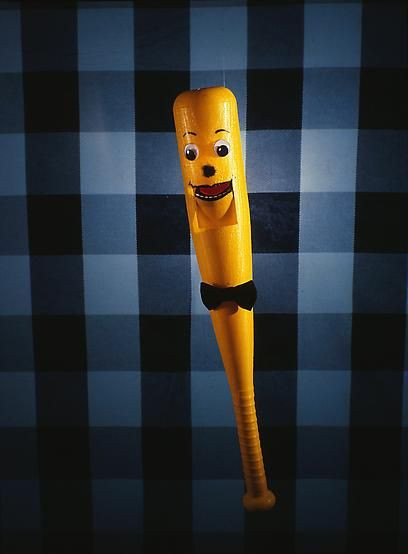
Laurie Simmons’ photographic practice delves into the eerie and surreal by staging meticulously crafted scenes where dolls, mannequins, and miniature figures inhabit worlds that blur the line between innocence and unsettling abstraction. Her use of these doll-like figures—often in domestic settings or theatrical environments—evokes a sense of the uncanny, where familiar objects and scenes are rendered disturbingly otherworldly. The deliberate artificiality of her subjects, combined with the unnerving stillness they project, generates a subtle tension that can evoke the sensation of a “cursed” image: something that feels almost real, yet deeply alien and disquieting. This unsettling atmosphere connects Simmons’ work to the tradition of surrealism, where the ordinary becomes strange and the familiar invokes a sense of unease, suggesting a hidden, darker layer to the world we think we know.
Roger Ballen, Devour, 2013
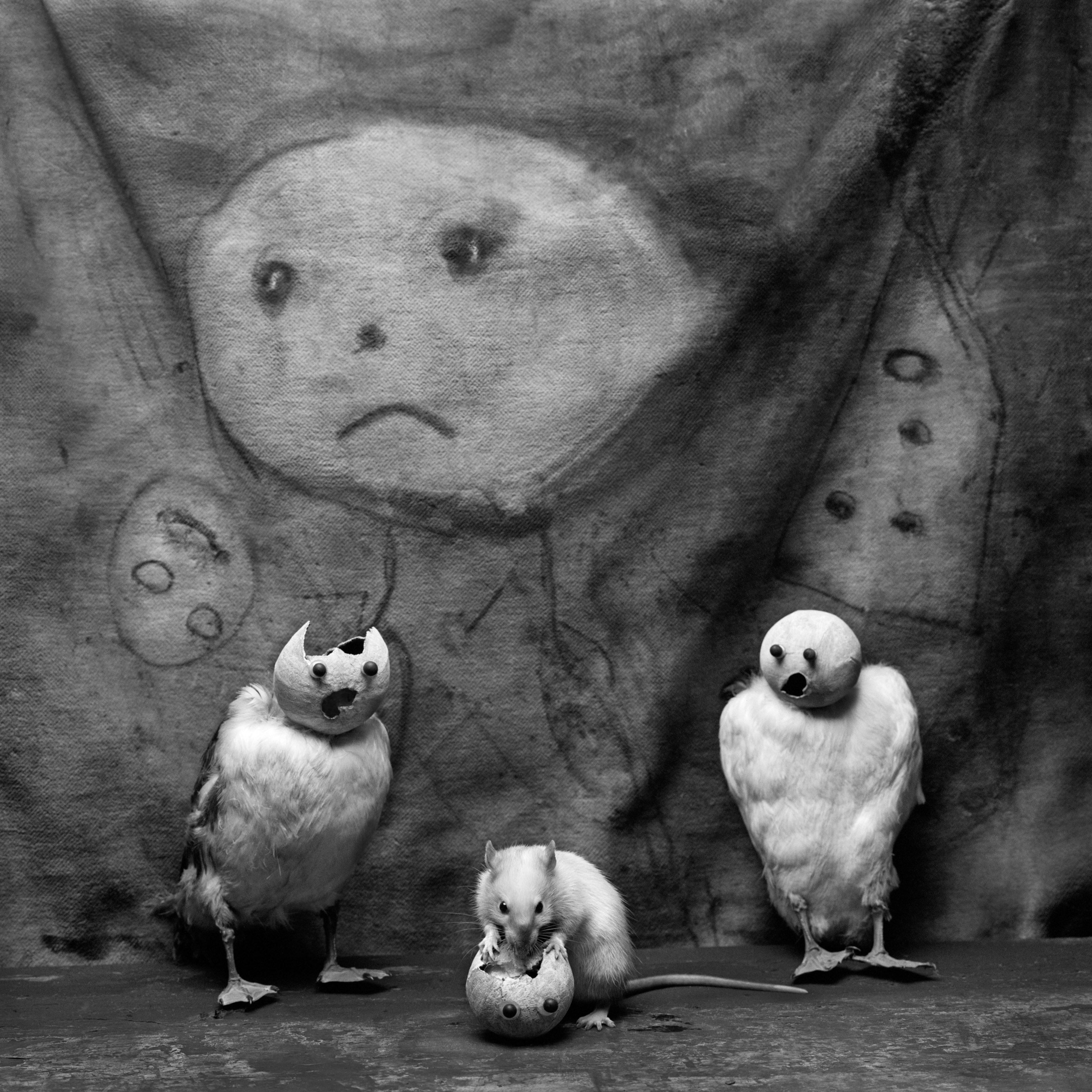
The work of Roger Ballen is deeply rooted in an exploration of the human psyche, using unsettling, staged scenes that blur the boundary between reality and imagination. His “Ballenesque” style deliberately embraces chaos, creating claustrophobic, dreamlike environments that confront viewers with the darker aspects of being human rather than offering comfort. These images function almost like visual metaphors for the mind itself—spaces where the conscious and unconscious collide, populated by fragmented figures, animals, and symbolic objects. By tapping into themes of absurdity, alienation, and existential uncertainty, Ballen’s work resonates on a subconscious level, prompting viewers to recognize hidden fears, instincts, and psychological tensions that are often repressed but remain fundamental to the human condition.
Ryan Trecartin, I-BE AREA, 2007
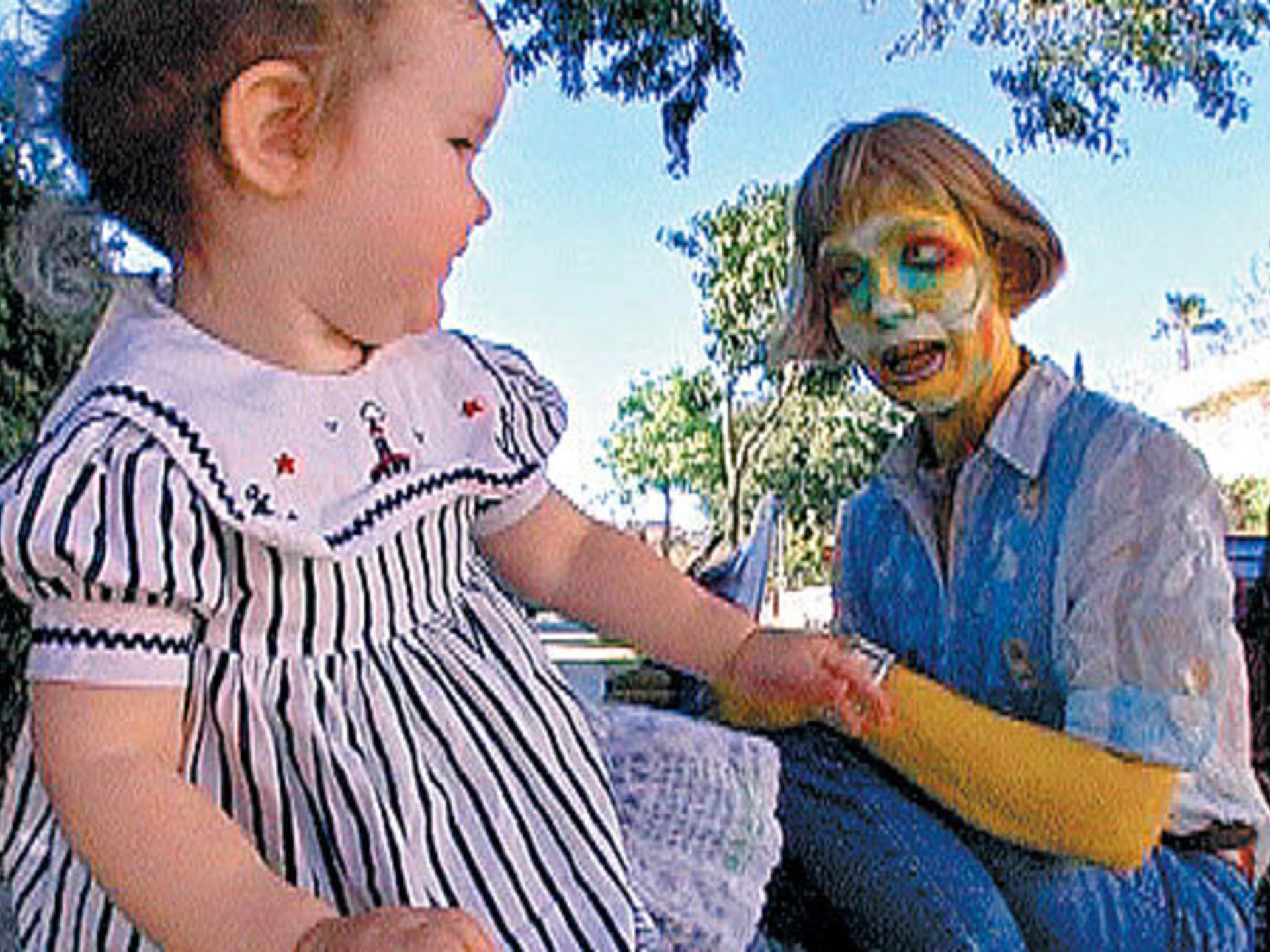
Ryan Trecartin’s practice sits at the chaotic intersection of performance, digital culture, and fragmented identity, and his 2007 video I-BE AREA captures this sensibility at full intensity. The work unfolds as a barrage of hyperactive characters, glitchy edits, and disorienting narratives that feel both surreal and faintly “cursed,” as if the logic of the internet has been pushed past coherence into something uncanny. Drawing heavily from early social media, DIY video aesthetics, and the accelerated rhythms of online self-presentation, Trecartin constructs a world where identity is unstable, language collapses into noise, and everything appears simultaneously artificial and disturbingly alive. The piece anticipates the overstimulated visual culture that would come to define the web in the years after its release, making its chaotic energy feel less like parody and more like prophecy.
Anonymous, Cursed (Tumblr blog - archived), 2015
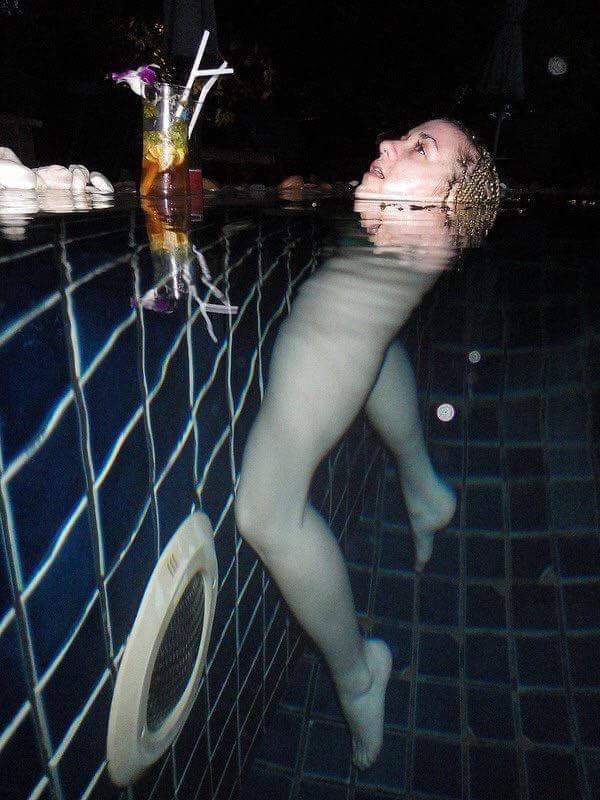
The phenomenon of “cursed images” emerged from a 2015 Tumblr blog, where an anonymous curator collected strange, often forgotten photographs that seemed to carry an inexplicable, eerie mood. The images were sourced mostly from Flickr, and dated from the early 2000s, with a distinct low resolution, cheap digital camera, pre-iphone photography aesthetics.These images are typically mundane scenes transformed by context into something unsettling—producing a mix of dread, confusion, and fascination. The term “cursed” itself refers to images that feel mysteriously wrong or disturbing, often prompting viewers to question why the image exists at all, while resisting clear explanation. Aesthetically, cursed images are defined by ambiguity, low-quality or uncanny visuals, and an implied narrative that is never fully revealed; they inhabit a liminal space between humor and horror, where the ordinary becomes uncanny and the viewer is left suspended between curiosity and discomfort. Cursed images quickly become a genre, with many accounts on blogs and social media posting images in a similar vein.
Charlie Engman, Cursed, 2024
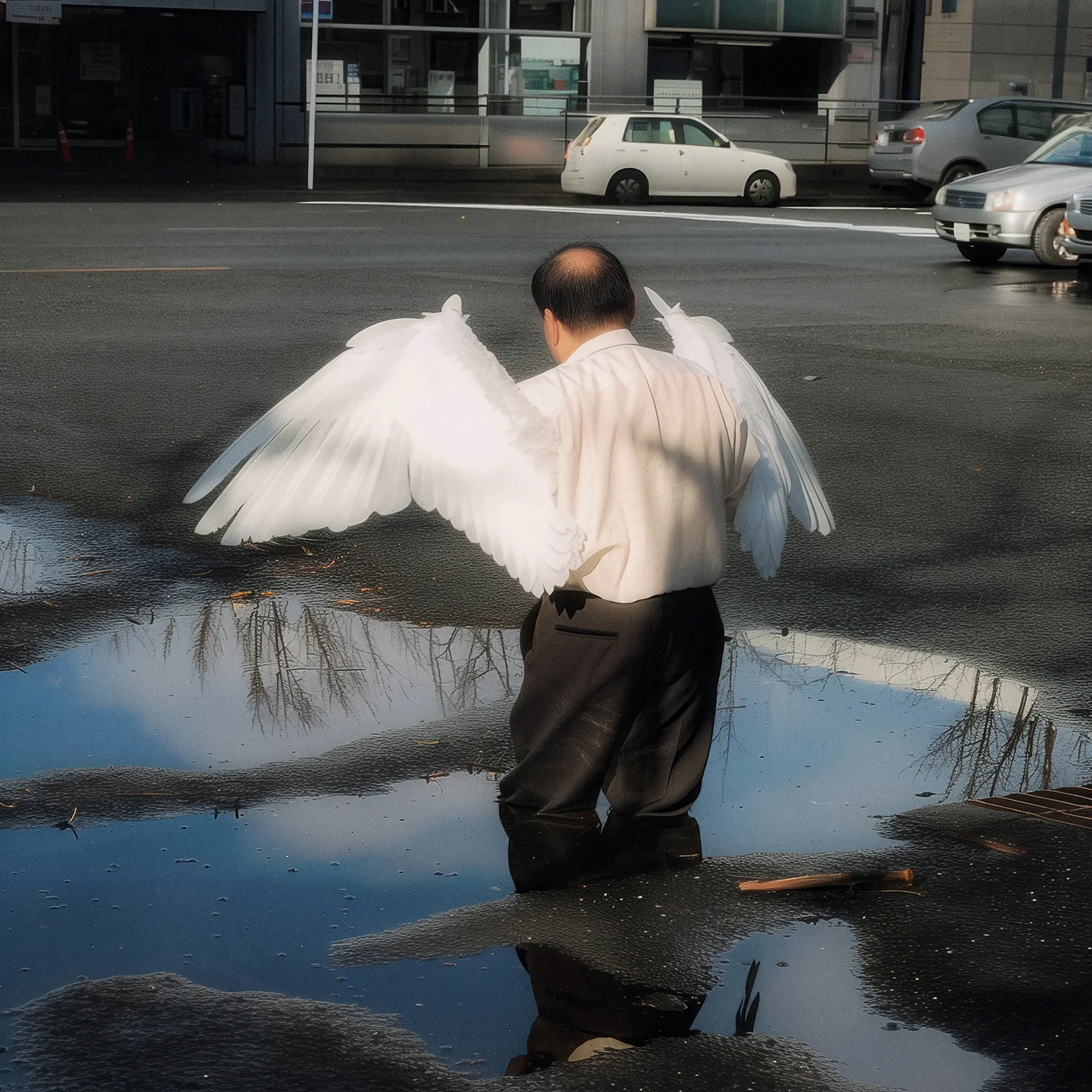
Charlie Engman: Cursed is a striking extension of the internet-born “cursed images” aesthetic into the realm of contemporary photography. Created by Charlie Engman, the photobook assembles deliberately disorienting, often absurd images that blur the line between fashion, performance, and digital manipulation. In this body of work, Engman also employs generative AI systems to produce and distort visual elements, heightening the sense of unreality and dislocation that defines the “cursed” sensibility. Drawing on the visual language of online culture, his images amplify uncanny qualities—awkward poses, ambiguous scenarios, and a tension between humor and discomfort—while remaining carefully constructed. The result is a cohesive project that transforms a chaotic meme format into something more intentional and artful, using both photographic and AI-driven processes to explore how images circulate and acquire meaning in the digital age.
Jon Rafman, Egregore I, II and III, 2021
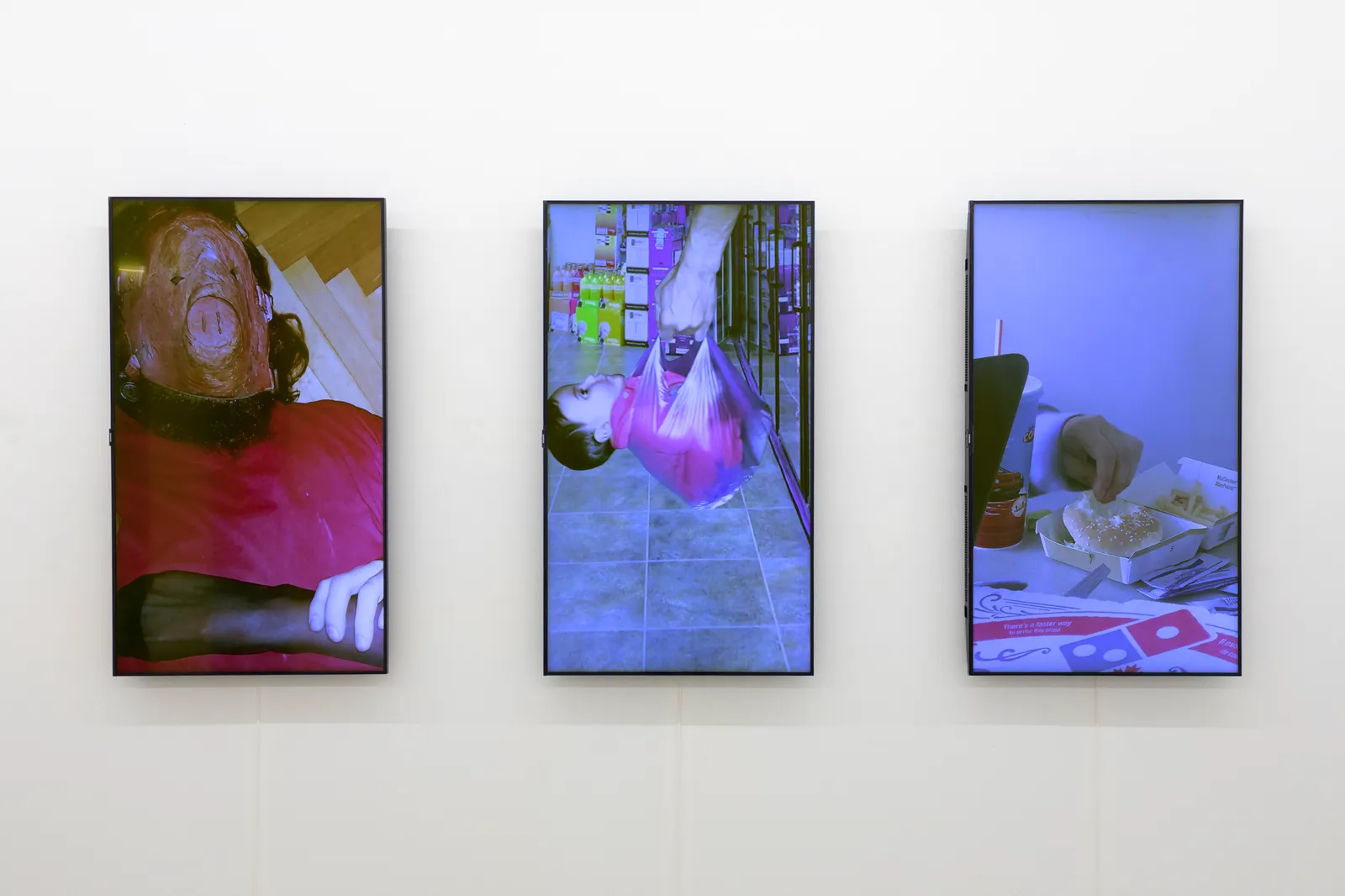
Jon Rafman’s Egregores is a hypnotic, unsettling video work that blends internet culture, virtual worlds, and collective psychology into a dense visual experience. Drawing on the idea of “egregores” as shared thought-forms shaped by group consciousness, Rafman constructs a surreal digital landscape filled with avatars, online subcultures, and fragmented narratives. The piece builds on the aesthetics of so-called “cursed images”—eerily banal yet disturbing visuals that circulate online—using their low-resolution, uncanny, and contextless quality to evoke a sense of disorientation. Through this visual language, Rafman reflects on how identity, desire, and ideology are increasingly mediated through online spaces, creating a feedback loop between individuals and the collective digital psyche.
Jared Madere
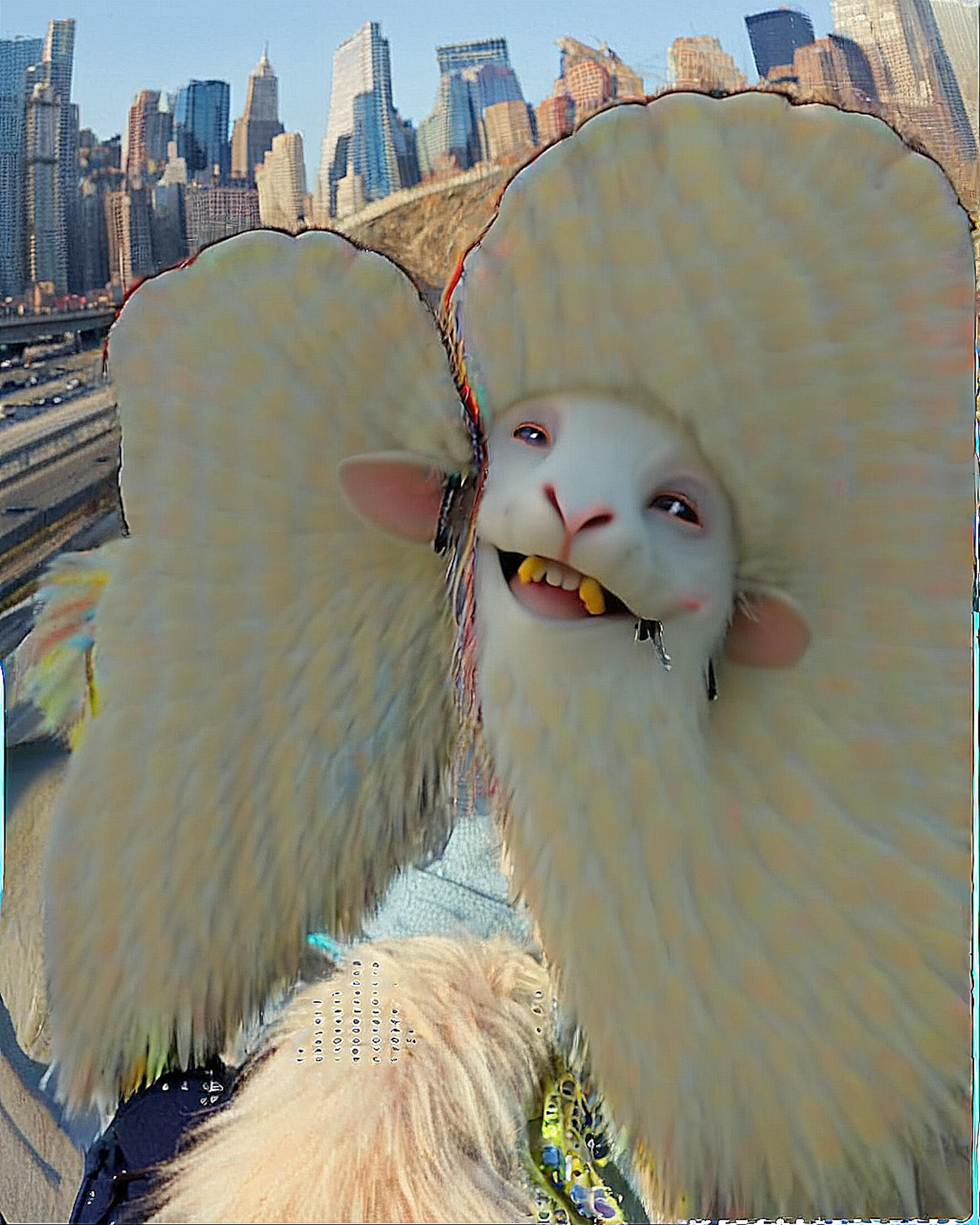
Jared Madere’s image practice blends internet-born aesthetics with a painterly sensibility, often reworking found visuals into something both familiar and disorienting. His work draws on memes, stock imagery, and commercial graphics, but through distortion, layering, and repetition, he transforms them into emotionally ambiguous compositions. There’s a tension between irony and sincerity in his images—they can feel playful at first glance, yet carry an undercurrent of unease or introspection. By embracing the visual language of the digital age while disrupting its usual clarity and function, Madere creates images that reflect the fragmented, overstimulated nature of contemporary visual culture
Andrey Lopatin, Worms, 2026
Tutorial
LoRA Replicate Tutorial part II
Assignment
Read: Marco De Mutiis, Summoning The Cursed Image: Jon Rafman’s Egregore, 2025
Make: Create a series of 3-5 images or a short video piece that revolves around the seduction of the abject, and the eerie feelings of cursed aesthetics, or continue working on the lure of comfort, and ideas of haptic visuals.