A Linear and Quite Boring History of Photography 1826–2026
Eine lineare und ziemlich langweilige Geschichte der Fotografie 1826–2026
Which iconic photograph from the history of photography comes to mind first?
Upload it here
1826–1839: Invention
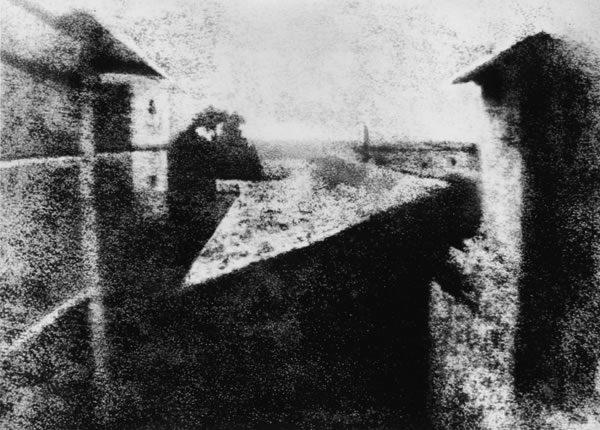
- 1826/27: Niépce makes the earliest surviving photograph (heliograph, View from the Window at Le Gras)
- 1839: Daguerre’s daguerreotype is announced in Paris; Talbot presents the calotype (paper negative), establishing the negative–positive principle
1840s–1860s: Spread and Professionalisation
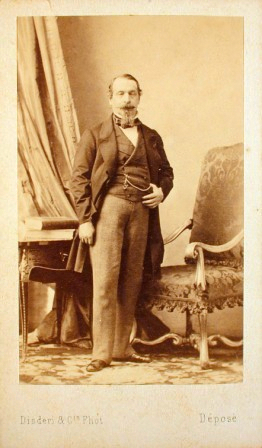
- Portrait studios boom; cartes de visite make photography a mass medium
- Collodion wet plate (1851) gives sharper, reproducible images
- War and expedition photography (Fenton, Brady) shape ideas of photographic witness
- Photography enters science, policing and colonial survey
1870s–1900: Speed and Amateurs
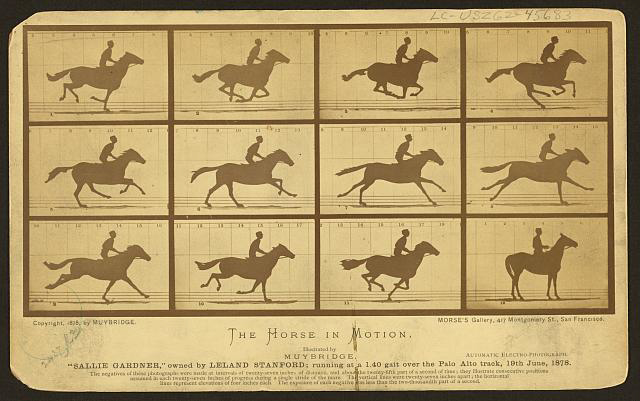
- Dry gelatin plates allow instantaneous exposures; Muybridge studies motion
- 1888: Kodak (“You press the button, we do the rest”) creates the snapshot amateur
- Halftone printing brings photographs into newspapers
- Pictorialism argues for photography as art
1900–1930s: Modernism and Mass Media
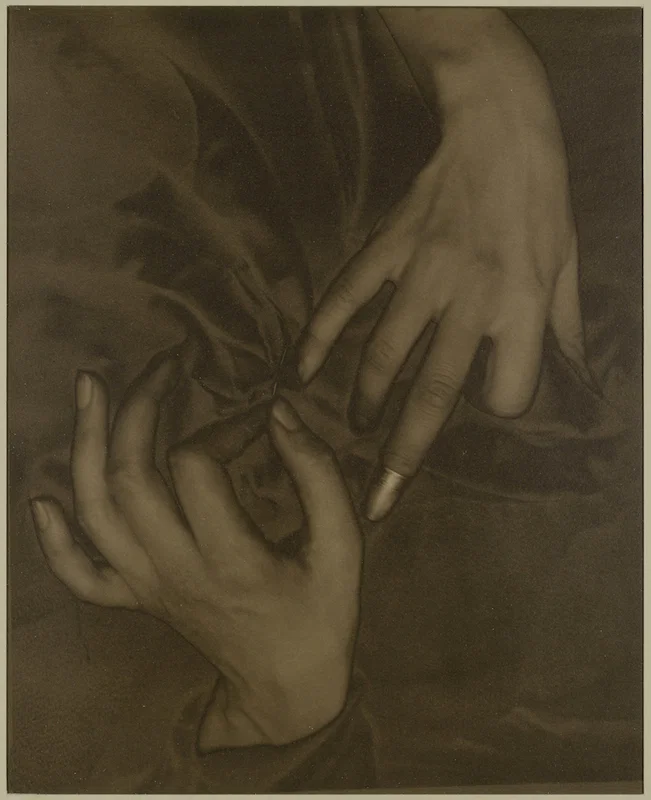
- Straight photography (Stieglitz, Strand) rejects painterly effects
- 1925: Leica popularises 35mm
- New Vision and Bauhaus (Moholy-Nagy, Rodchenko) embrace odd angles and experiment
- Illustrated magazines and photojournalism rise; FSA documentary work in the US
1940s–1960s: Witness and Expression
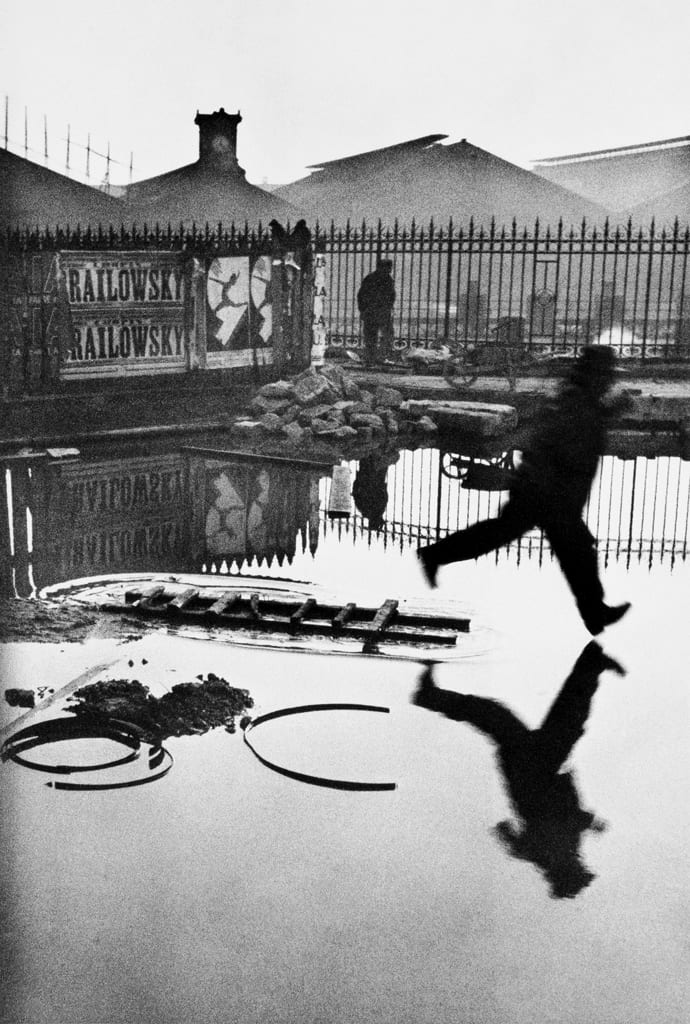
- Magnum is founded (1947); the “decisive moment” (Cartier-Bresson, 1952)
- Colour film becomes widespread; Polaroid delivers instant prints
- Frank’s The Americans (1958) reshapes subjective documentary
- The Family of Man (1955) and Szarkowski’s MoMA programme institutionalise the medium
1960s–1980s: Conceptual and Critical Turn
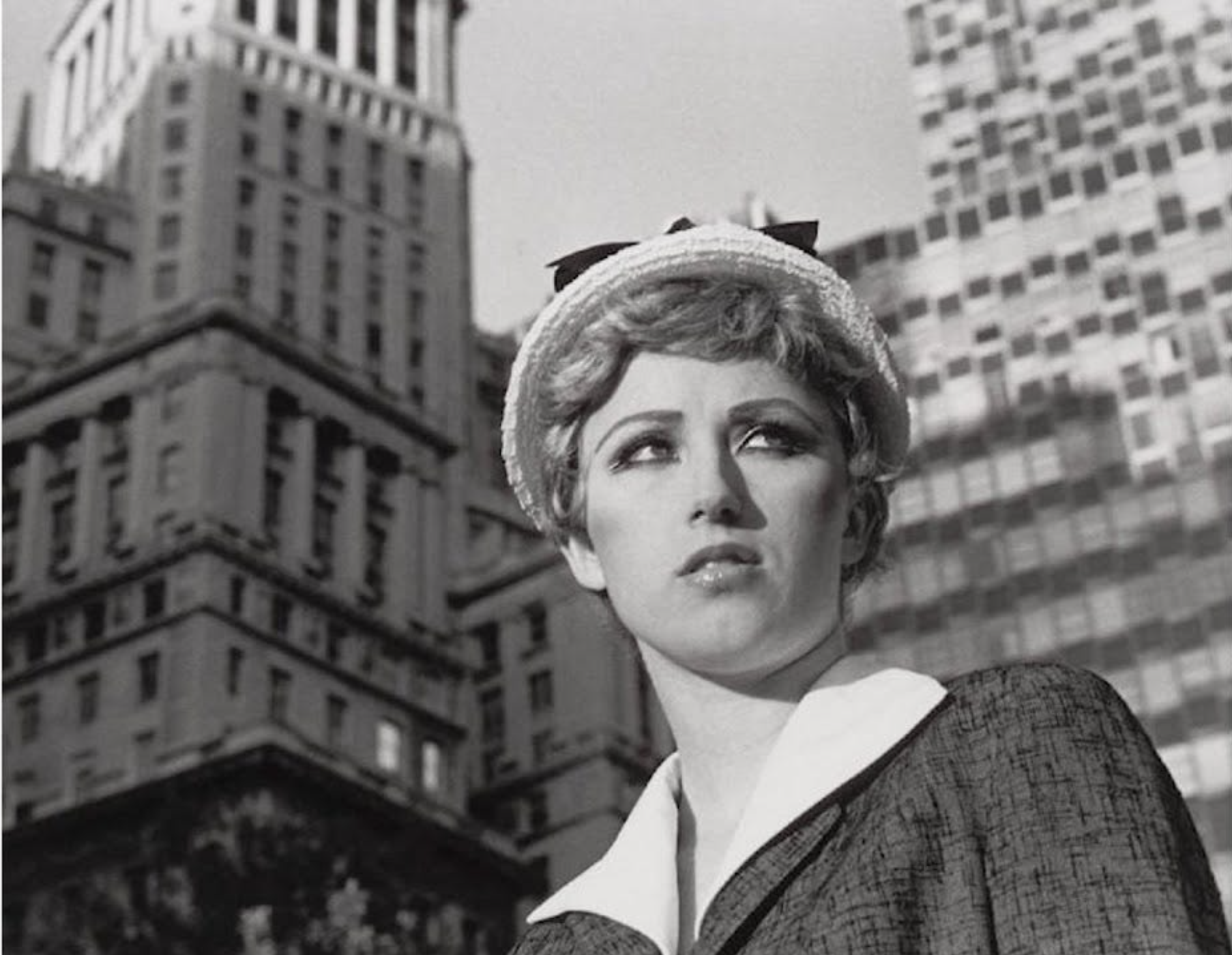
- Conceptual art uses photography as document and medium (Ruscha, Sherrie Levine, Cindy Sherman)
- Postmodern critique of authorship, originality and representation (Sontag, Barthes, Sekula)
- Colour enters art photography (Eggleston, Shore); the Düsseldorf School (Bechers, Gursky, Struth) scales up the image
1975–1999: Digital Beginnings
- 1975: Kodak engineer Steve Sasson builds the first digital camera
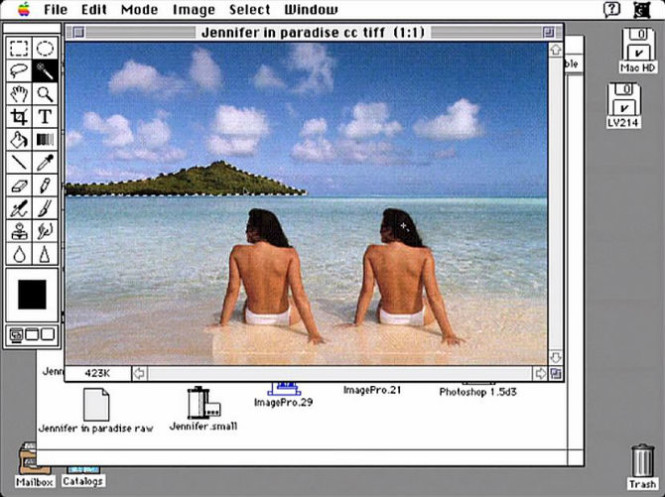
- Photoshop (1990) normalises digital manipulation; early consumer digital cameras follow
- Debates on the “death” of photographic truth (Mitchell, The Reconfigured Eye, 1992)
- Photography and the early web, photorealistic CGI (Manovich)
2000s: Networked Images
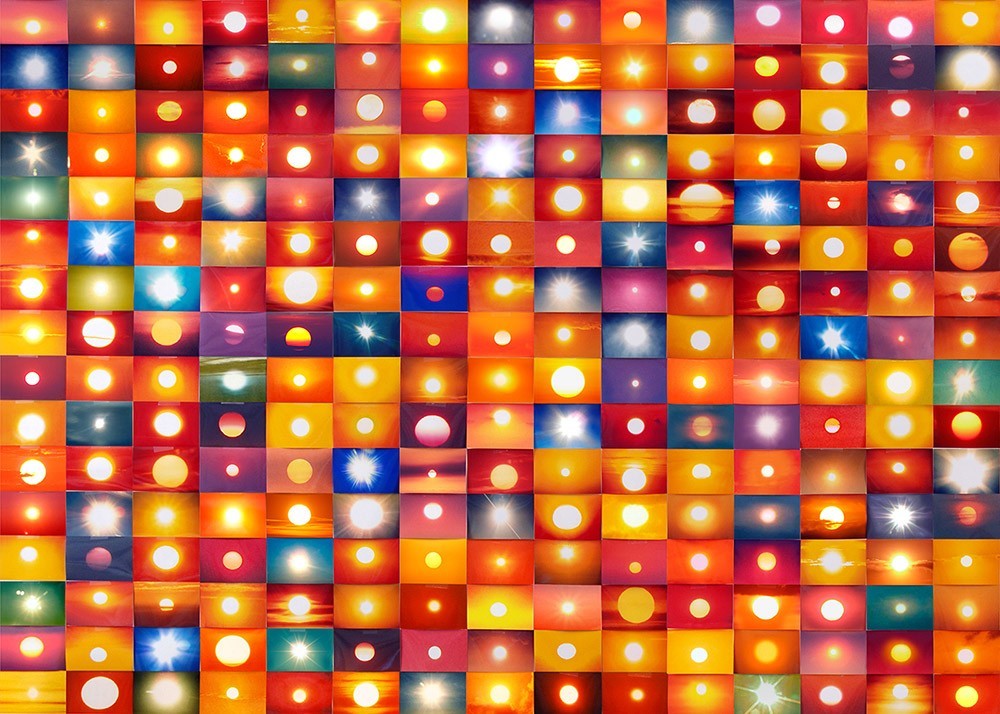
- Digital overtakes film; camera phones spread
- Flickr (2004), Facebook (2004), then Instagram (2010) make sharing central (Gunthert, Jurgenson)
- Google Street View and satellite imagery: automated, non-human capture
- Post-photography discourse: images as circulating data (Fontcuberta, Ritchin, Rubinstein and Sluis, Steyerl)
2010s: Platform and Computational Image
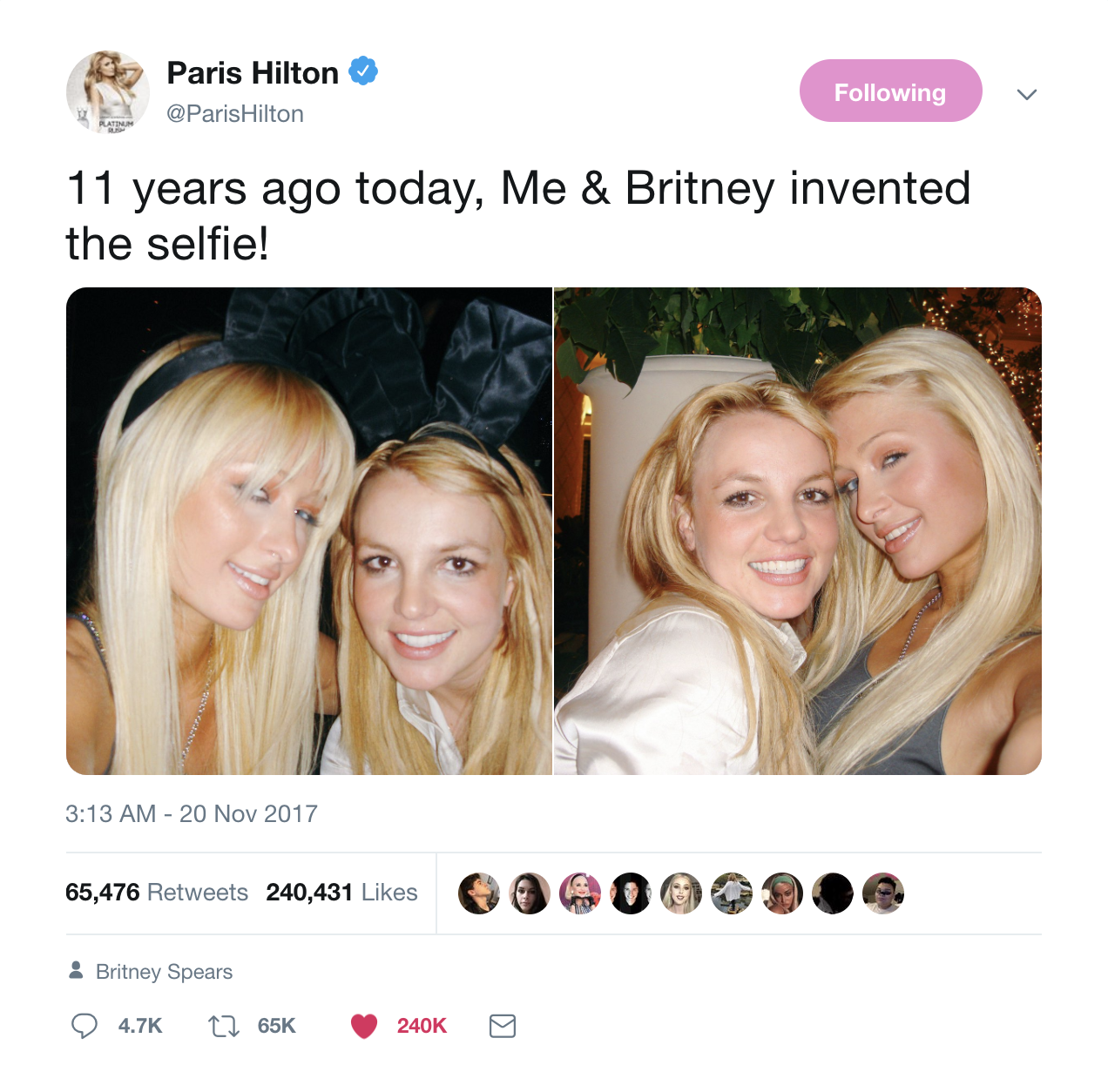
- Smartphone computational photography (HDR, portrait mode) blurs capture and processing
- Selfie culture, memes, vernacular visual language
- Operational and machine-made images: surveillance, facial recognition, drones
- Photography in virtual worlds and games emerges as a practice
2020s: Synthetic Imaging

- Generative models (DALL·E, Midjourney, Stable Diffusion) produce photorealistic images without a camera
- Deepfakes and provenance concerns
- Debates over training data, authorship and copyright
- Photography increasingly understood as one strand of a wider imaging ecosystem rather than a single medium
Welches ikonische Foto aus der Geschichte der Fotografie fällt dir als Erstes ein?
Lade es [hier](https://docs.google.com/document/d/13cCusB2Dlx1LraW6XaV9agc7lzUeenJamJZeGqYATcc/edit?usp=sharing](https://docs.google.com/document/d/13cCusB2Dlx1LraW6XaV9agc7lzUeenJamJZeGqYATcc/edit?usp=sharing)
1826–1839: Erfindung
- 1826/27: Niépce schafft die älteste erhaltene Fotografie (Heliografie, Blick aus dem Fenster in Le Gras)
- 1839: Daguerres Daguerreotypie wird in Paris bekannt gegeben; Talbot stellt die Kalotypie (Papiernegativ) vor und etabliert damit das Negativ-Positiv-Prinzip
1840er–1860er: Verbreitung und Professionalisierung
- Porträtstudios boomen; Visitenkartenporträts (cartes de visite) machen die Fotografie zum Massenmedium
- Das Nasskollodiumverfahren (1851) liefert schärfere, reproduzierbare Bilder
- Kriegs- und Expeditionsfotografie (Fenton, Brady) prägt Vorstellungen vom fotografischen Zeugnis
- Die Fotografie hält Einzug in Wissenschaft, Polizeiarbeit und koloniale Vermessung
1870er–1900: Geschwindigkeit und Amateure
- Gelatinetrockenplatten ermöglichen Momentaufnahmen; Muybridge untersucht Bewegung
- 1888: Kodak („Sie drücken auf den Knopf, den Rest erledigen wir“) schafft den Schnappschuss-Amateur
- Der Rasterdruck (Halbtonverfahren) bringt Fotografien in die Zeitungen
- Der Piktorialismus beansprucht die Fotografie als Kunst
1900–1930er: Moderne und Massenmedien
- Die Straight Photography (Stieglitz, Strand) lehnt malerische Effekte ab
- 1925: Die Leica macht das Kleinbildformat (35 mm) populär
- Neues Sehen und Bauhaus (Moholy-Nagy, Rodtschenko) setzen auf ungewöhnliche Blickwinkel und Experimente
- Illustrierte Zeitschriften und Fotojournalismus entstehen; dokumentarische Arbeiten der FSA in den USA
1940er–1960er: Zeugenschaft und Ausdruck
- Magnum wird gegründet (1947); der „entscheidende Augenblick“ (Cartier-Bresson, 1952)
- Der Farbfilm setzt sich durch; Polaroid liefert Sofortbilder
- Franks The Americans (1958) verändert die subjektive Dokumentarfotografie
- The Family of Man (1955) und Szarkowskis Programm am MoMA institutionalisieren das Medium
1960er–1980er: Konzeptuelle und kritische Wende
- Die Konzeptkunst nutzt die Fotografie als Dokument und als Medium (Ruscha, Sherrie Levine, Cindy Sherman)
- Postmoderne Kritik an Autorschaft, Originalität und Repräsentation (Sontag, Barthes, Sekula)
- Die Farbe hält Einzug in die künstlerische Fotografie (Eggleston, Shore); die Düsseldorfer Schule (Bechers, Gursky, Struth) vergrössert das Bild ins Monumentale
1975–1999: Digitale Anfänge
- 1975: Der Kodak-Ingenieur Steve Sasson baut die erste Digitalkamera
- Photoshop (1990) macht digitale Manipulation alltäglich; erste Digitalkameras für Konsument:innen folgen
- Debatten über den „Tod“ der fotografischen Wahrheit (Mitchell, The Reconfigured Eye, 1992)
- Fotografie und das frühe Web, fotorealistische CGI (Manovich)
2000er: Vernetzte Bilder
- Digital überholt Film; Kamerahandys verbreiten sich
- Flickr (2004), Facebook (2004) und schliesslich Instagram (2010) rücken das Teilen ins Zentrum (Gunthert, Jurgenson)
- Google Street View und Satellitenbilder: automatisierte, nicht-menschliche Bildaufnahme
- Post-Photography-Diskurs: Bilder als zirkulierende Daten (Fontcuberta, Ritchin, Rubinstein und Sluis, Steyerl)
2010er: Plattform und computationales Bild
- Computational Photography auf dem Smartphone (HDR, Porträtmodus) verwischt die Grenze zwischen Aufnahme und Bearbeitung
- Selfie-Kultur, Memes, vernakuläre Bildsprache
- Operative und maschinell erzeugte Bilder: Überwachung, Gesichtserkennung, Drohnen
- Fotografie in virtuellen Welten und Spielen entwickelt sich zu einer eigenständigen Praxis
2020er: Synthetische Bilder
- Generative Modelle (DALL·E, Midjourney, Stable Diffusion) erzeugen fotorealistische Bilder ohne Kamera
- Deepfakes und Fragen der Herkunftsnachweise (Provenienz)
- Debatten über Trainingsdaten, Autorschaft und Urheberrecht
- Die Fotografie wird zunehmend als ein Strang eines umfassenderen Bildökosystems verstanden und nicht mehr als einzelnes Medium